See wildfire risk before it becomes a disaster
StratoScout high-altitude drones scan large areas before and during high-risk conditions, turning vegetation, heat, and terrain data into clear maps and insights emergency teams can act on.
The Problem
Emergency teams need current, detailed visibility across large areas before conditions turn critical. But existing data is often too limited or too delayed to show where risk is developing, leaving incident commanders without a clear understanding of what is happening on the ground or where to act first.
"Data from a high-altitude UAS could be useful for incident commanders potential to evaluate spread possibilities." Meteorologist, NWS Tulsa (2026)
The Solution
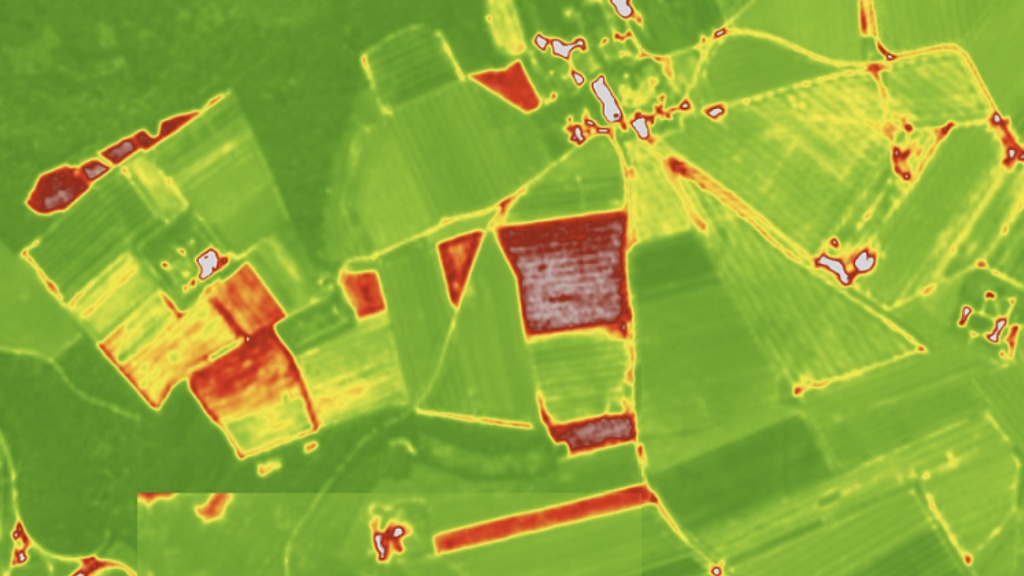
StratoScout provides autonomous, high-altitude UAS as a service for emergency managers who need wide-area visibility before and during high-risk conditions. The system gathers current vegetation, heat, terrain, and location data, then turns it into maps and insights emergency teams can act on.
A single flight covers nearly 100 miles in length and up to 3 miles wide, giving emergency managers a comprehensive picture of large areas in hours rather than days.
Autonomous and fully retrievable, StratoScout drones are built to keep operational costs low, making wide-area aerial intelligence practical and repeatable.
Raw sensor data is processed into clear maps, risk zones, and location-specific insights that emergency teams can use directly, without needing to interpret complex datasets.
AI helps distill aerial and weather data into prioritized alerts and spread indicators, so commanders spend less time sorting through information and more time acting on it.
How It Works
StratoScout launches a high-altitude UAS over the target area, built for wide-area flights covering nearly 100 miles in length and up to 3 miles wide.
Multispectral sensors collect geospatial data on vegetation, heat, terrain, moisture, and other risk indicators.
AI helps turn raw aerial and weather data into maps, alerts, risk zones, spread indicators, and priority areas.
Emergency teams use the intelligence to plan, coordinate, place resources, and respond faster.
We work directly with emergency management offices. Reach out and we'll take it from there.
Get in Touchhello@stratoscouthq.com